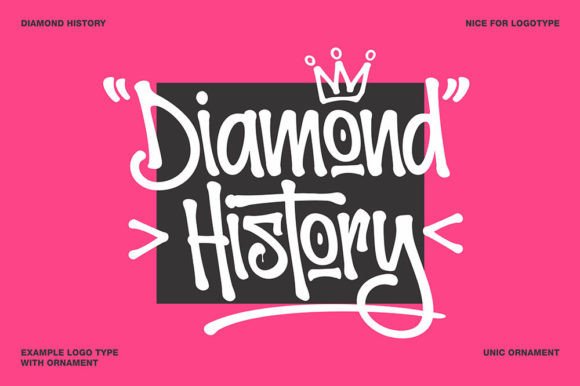
Diamond History Font
Diamond History is a bold, graffiti-style display font that brings an urban edge to any design project. Its unique aesthetic makes it ideal for digital marketers, content creators, and social media designers looking to stand out in crowded online spaces. Whether you're crafting Instagram posts, YouTube thumbnails, or campaign graphics, Diamond History adds a fresh, trendy vibe that grabs attention.
Diamond History for Social Media Graphics and Branding
Diamond History is a powerful tool for social media designers aiming to create eye-catching visuals. Its graffiti-inspired look works well for Instagram posts, Pinterest pins, and Facebook ads that need a modern, edgy feel. When used as a headline or caption, it helps your brand stand out in fast-scrolling feeds. For example, using Diamond History in a post promoting a new product launch can immediately convey a sense of energy and innovation.
Pairing Diamond History with a clean sans serif font like Helvetica or Arial can balance its boldness while maintaining readability. This combination is especially effective for email headers, website banners, and landing pages where clarity and style are both important.
Diamond History for YouTube Thumbnails and Reels Covers
YouTube thumbnails and reels covers require strong visual impact, and Diamond History delivers just that. Its graffiti-style texture adds a layer of personality that makes your content more memorable. Whether you're creating a thumbnail for a tutorial video or a reel cover for a promotional post, this font helps your content pop on mobile screens.
For best results, use Diamond History in short, impactful text such as "Watch Now," "Learn More," or "Join the Movement." Keep the text concise to ensure visibility on small previews. Avoid overusing the font in long paragraphs, as it may reduce readability on smaller devices.
Diamond History for Email Headers and Digital Banners
Email marketing campaigns and digital banners benefit from the striking presence of Diamond History. Using it in email headers or subject lines can increase open rates by making your message more visually appealing. It’s also useful for digital banners that promote events, sales, or webinars, adding a dynamic element that catches the eye.
When designing for email clients, test how Diamond History renders across different platforms. Ensure that the font is embedded properly to maintain its visual integrity. For a professional touch, pair it with a neutral background and a complementary color scheme to avoid overwhelming the viewer.
Diamond History for Promotional Graphics and Sales Announcements
Diamond History is perfect for promotional graphics that need a punchy, urban flair. Use it in sale announcements, seasonal promotions, or limited-time offers to create urgency and excitement. The font's bold strokes and graffiti-like texture make it ideal for headlines that demand attention, such as "50% Off" or "Flash Sale."
Consider using Diamond History in combination with a handwritten or script font for a layered effect. This approach works well for content series, branded templates, or inspirational quote graphics that require both personality and clarity. Always keep the text legible, even when using decorative elements.
Diamond History for Web Design and Landing Pages
Web designers and marketers can leverage Diamond History to enhance the visual identity of landing pages and product pages. Its graffiti-inspired style adds a unique touch that sets your site apart from competitors. Use it for headlines, call-to-action buttons, or section titles to create a cohesive, modern look.
When integrating Diamond History into web design, ensure that it complements the overall layout. Avoid using it excessively, as too much text in this font can make a page feel cluttered. Instead, use it strategically for key messages that need emphasis, such as "Experience the Difference" or "Discover More."
Diamond History for Personal Branding and Online Campaigns
Personal branding and online campaigns thrive on strong visual identities, and Diamond History supports that goal. Whether you're building a personal website, creating a LinkedIn profile, or launching a content series, this font adds a distinctive edge that reflects your creative vision. It’s particularly effective for influencers, YouTubers, and bloggers who want to establish a unique online presence.
Use Diamond History in logos, social media bios, or campaign visuals to reinforce your brand's personality. Pair it with a classic serif font for a more refined look, or combine it with a modern sans serif for a balanced, contemporary feel. Always review commercial licensing terms before using the font in client projects or merchandise.
Diamond History for Editorial Design and Packaging
Editorial designers and packaging specialists can benefit from the versatility of Diamond History. Its graffiti-style appearance works well for magazine covers, editorial spreads, or product packaging that requires a bold, artistic statement. The font's visual appeal makes it ideal for content that needs to capture attention quickly, such as news headlines or product labels.
When using Diamond History in editorial design, consider the context of the surrounding elements. Balance its intensity with simpler typography to maintain visual harmony. For packaging, ensure that the font remains readable at various sizes and under different lighting conditions.
Diamond History for Creative Fonts and Design Assets
Diamond History is a valuable addition to any designer's toolkit, especially for those working with creative fonts and design assets. Its graffiti-inspired style offers a fresh alternative to traditional display fonts, making it a go-to choice for urban-themed projects. Whether you're designing a poster, a flyer, or a digital ad, this font provides a unique visual identity that resonates with modern audiences.
For optimal results, download and install Diamond History on your design software to explore its full potential. Experiment with different color combinations, textures, and layouts to find the best way to incorporate it into your work. Always check licensing agreements to ensure compliance with commercial use requirements.